
Human Resource Management (HRM) and Human Resource Development (HRD) are two interconnected yet distinct functions in the workplace. While both play a crucial role in managing and developing an organization’s workforce, they focus on different aspects of employee management and growth. Understanding their differences can help businesses adopt a more comprehensive approach to workforce management. In this blog, we’ll explore the core definitions of HRM and HRD, along with HRM vs HRD.
Human Resource Management (HRM) and Human Resource Development (HRD) are two closely related concepts that play distinct yet complementary roles in organizational success. While they are often used interchangeably, understanding the difference between HRM and HRD helps businesses build effective workforce strategies that balance operational efficiency with employee growth. HRM primarily focuses on managing people, policies, and administrative HR functions, whereas HRD emphasizes continuous learning, employee development, leadership, and long-term organizational capability.
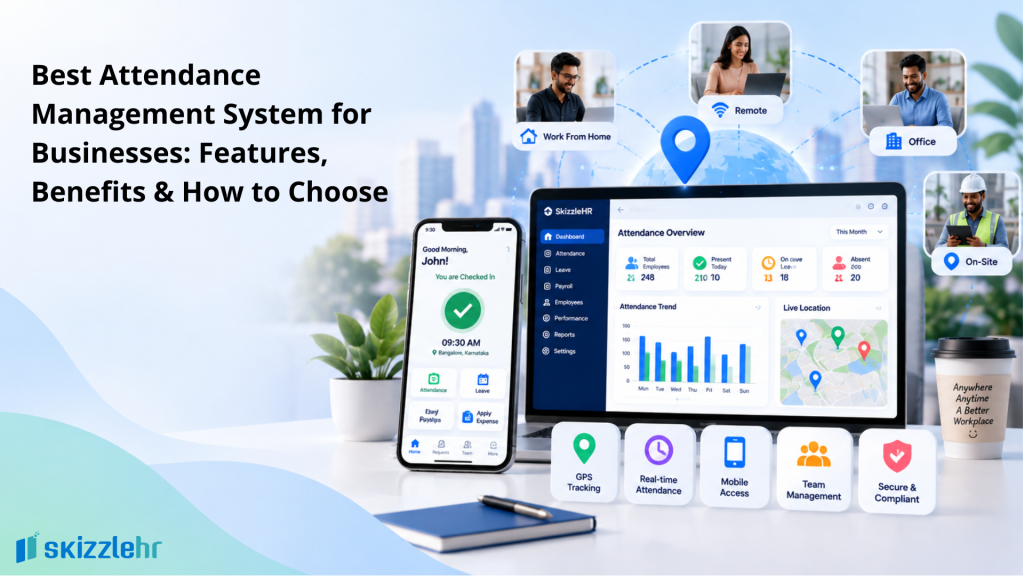
In today’s competitive business environment, organizations require both effective HRM and strategic HRD to attract, retain, and develop top talent. Modern HRMS software supports both functions by integrating recruitment, attendance, payroll, performance management, learning management, and employee development into a single platform. By combining efficient HR operations with continuous workforce development, businesses can create a culture of learning, improve employee engagement, and achieve sustainable growth.
HRM vs HRD
What is HRM (Human Resource Management)?

Human Resource Management (HRM) refers to the systematic process of managing people in an organization. HRM focuses on recruiting, training, compensating, and maintaining the workforce to ensure that organizational objectives are met efficiently. Essentially, HRM is concerned with managing the day-to-day operations that pertain to employees within an organization.
Key activities under HRM include:
- Recruitment and selection
- Payroll and benefits administration
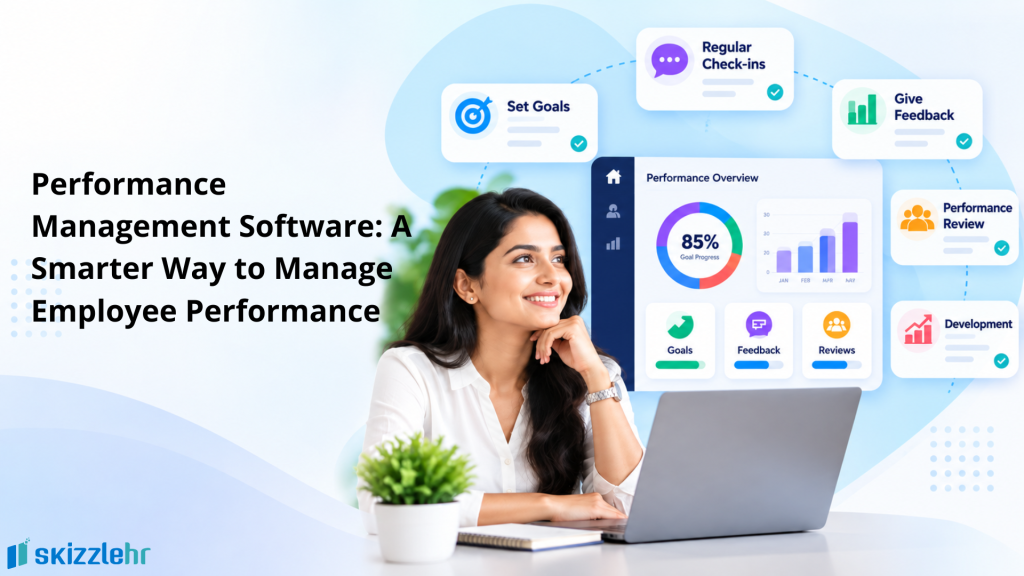
- Performance management
- Labor relations
- Compliance with employment laws
What is HRD (Human Resource Development)?

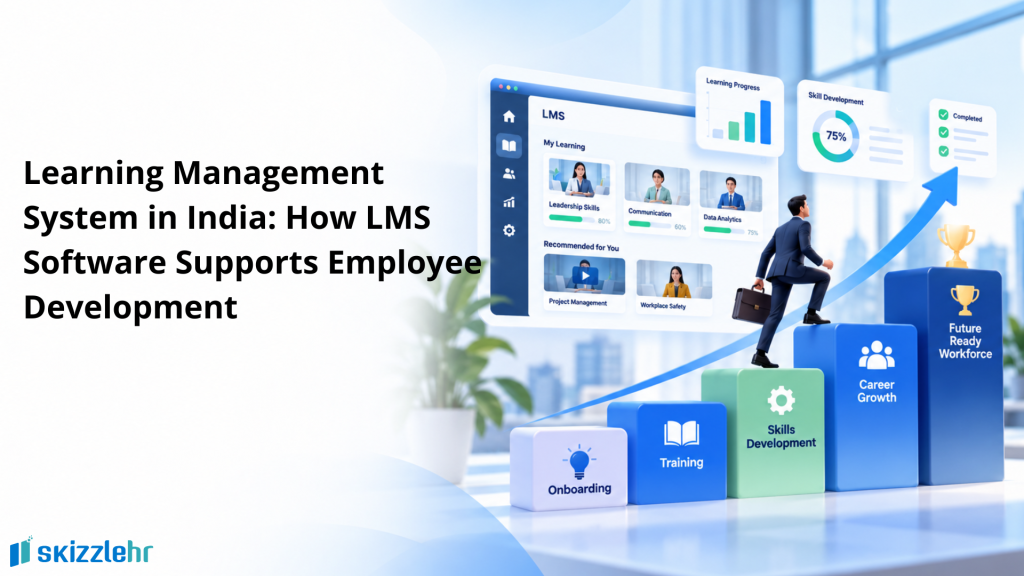
Human Resource Development (HRD) is a strategic function that focuses on enhancing the skills, knowledge, and competencies of individuals within the organization. HRD promotes continuous learning and development to help employees grow in their roles, leading to improved personal and organizational performance. Key activities under HRD include:
- Training and development programs
- Career planning and development
- Coaching and mentoring
- Leadership development
- Succession planning
Why Organizations Need Both HRM and HRD
Successful organizations understand that managing employees and developing employees are equally important. HRM ensures that day-to-day HR operations run smoothly, while HRD prepares employees to meet future business challenges through continuous learning and skill enhancement. Focusing on only one aspect can limit organizational growth and reduce employee satisfaction.
Organizations that integrate HRM and HRD effectively can:
- Improve employee performance and productivity.
- Build strong leadership pipelines.
- Increase employee engagement and retention.
- Support continuous learning and career development.
- Enhance workforce planning and succession management.
- Strengthen organizational culture.
- Improve adaptability to business and technological changes.
- Align employee development with business objectives.
- Foster innovation and collaboration.
- Create a future-ready workforce.
A balanced approach enables businesses to manage current workforce needs while preparing employees for future opportunities.
10 Key Differences Between HRM and HRD
| Aspect | HRM | HRD |
| Focus | Administrative tasks, employee management | Employee development and learning |
| Goal | Efficient utilization of resources | Improving employee skills and performance |
| Approach | Reactive and focused on short-term issues | Proactive and long-term investment in employee growth |
| Nature | Part of broader organizational management | Subsidiary of HRM, specifically related to development |
| Responsibilities | Staffing, compensation, job roles, and policies | Training, development, talent identification, and mentorship |
| Time Horizon | Short-term focus, dealing with immediate needs | Long-term focus on employee growth and strategic planning |
| Orientation | Ensuring organizational efficiency | Ensuring continuous learning and career advancement |
| Process | Occasional and need-based | Continuous, focusing on ongoing learning initiatives |
| Formality | Involves structured, formal procedures | Can include informal learning, such as coaching and mentoring |
| Dependency | Independent function within HR | Interdependent, functions under HRM to enhance human resources |
1. Focus
HRM and HRD have distinct focuses within the realm of human resources. HRM centers on the administrative aspects of managing a workforce, such as staffing, compensation, and job design. Its goal is to ensure the smooth operation of the workforce by addressing immediate needs. HRD, on the other hand, focuses on developing employees’ skills and preparing them for future challenges. By fostering continuous growth, HRD enables employees to contribute more effectively to the organization’s long-term goals.
2. Goal
The goals of HRM and HRD also differ significantly. HRM’s primary goal is to ensure employees are utilized efficiently, ensuring their work aligns with the organization’s objectives. In contrast, HRD aims to improve employees’ performance through learning opportunities, focusing on skill development that contributes to both personal and career growth. HRD looks beyond day-to-day efficiency, emphasizing the long-term development of employees.
3. Approach
The approaches of HRM and HRD are fundamentally different. HRM tends to be reactive, dealing with immediate employee-related issues like hiring, addressing grievances, or handling compensation. HRD, however, takes a proactive stance, constantly preparing employees for future roles and challenges. It provides continuous training, coaching, and mentoring, helping employees to grow in anticipation of future needs.
4. Nature
HRM is part of the broader management structure, playing a crucial role in handling various operational aspects of employee management. It ensures that the necessary processes are in place to support the workforce. HRD is a subset of HRM, focusing specifically on employee development. Its primary aim is to facilitate individual and team growth, nurturing employees so that they can thrive both personally and professionally.
5. Responsibilities
The responsibilities of HRM and HRD also differ in scope. HRM deals with core functions such as recruitment, compensation, performance appraisals, and ensuring compliance with labor laws. HRD, on the other hand, is more concerned with organizing training programs, talent development initiatives, mentoring, and creating opportunities for continuous learning. While HRM keeps the workforce operational, HRD helps it grow and evolve.
6. Time Horizon
HRM is primarily concerned with the short term, focusing on addressing the immediate needs of the organization. This could involve filling open positions, managing payroll, or resolving employee conflicts. HRD takes a long-term perspective, investing in employee development with an eye on sustained growth. Its focus is on enhancing skills and planning employees’ career paths, ensuring they are prepared for future challenges.
7. Orientation
The orientation of HRM is organizational efficiency, ensuring employees are productive and that their activities align with the company’s goals. HRD, in contrast, is more employee-centric, geared towards fostering personal and professional growth. While HRM ensures that the workforce meets current demands, HRD ensures that employees reach their full potential.
8. Process
HRM processes are executed as needed, often in response to immediate demands like recruitment or performance evaluations. These processes are typically structured and follow formal procedures to maintain organizational efficiency. HRD, however, is a continuous and evolving process. It adapts to meet the developmental needs of employees through regular and ongoing training, mentoring, and growth opportunities.
9. Formality
HRM activities are often formal in nature. Processes like performance reviews or training programs typically follow structured procedures, such as classroom-based sessions. In contrast, HRD can involve more informal methods, including mentoring, on-the-job training, and coaching. These informal methods provide a personalized touch, focusing on the unique development needs of individual employees.
10. Dependency
HRM functions independently, covering a wide range of areas, including staffing, employee relations, and compensation. It ensures that the administrative machinery of the workforce operates efficiently. On the other hand, HRD is interdependent on HRM, as it builds upon HRM’s processes to focus on employee training and development. The two functions complement each other, with HRD relying on HRM to facilitate growth initiatives.
Conclusion
HRM and HRD are not competing functions—they are complementary pillars of an effective people strategy. While HRM creates the foundation by managing recruitment, payroll, compliance, attendance, and employee records, HRD builds upon that foundation by developing employee skills, leadership capabilities, and organizational knowledge. Businesses that successfully combine both approaches create workplaces where employees feel supported, motivated, and empowered to contribute to long-term business success.
SkizzleHR’s AI-Powered HRMS Platform brings HRM and HRD together through an integrated solution that simplifies recruitment, attendance, payroll, leave management, performance management, learning management, and employee development. With intelligent automation, workforce analytics, and user-friendly dashboards, SkizzleHR enables organizations to manage their people efficiently while investing in continuous employee growth. As workplaces continue to evolve, adopting a comprehensive HRMS solution helps businesses build a skilled, engaged, and future-ready workforce capable of driving sustainable organizational success.
While the debate of “HRM vs HRD” has been ongoing for a long time, these two functions are interrelated, yet they serve distinct purposes within an organization. HRM focuses on efficiently managing the workforce and maintaining daily operations, whereas HRD is committed to nurturing employee growth for long-term success. By understanding these key differences, businesses can adopt a more holistic approach to human resources, ensuring both the effective management and development of their employees. SkizzleHR offers tools, making it easier to manage and develop your workforce.