
In the ever-evolving business world, employees’ well-being and work-life balance are key to a thriving organization. One of the most used employee benefits that support world businesses is casual leave. Designed to cater to short-term, unforeseen needs, casual leave offers employees the flexibility to address personal matters without compromising their professional responsibilities.
Casual Leave (CL) is one of the most commonly used leave types in every organization, allowing employees to take short breaks for personal commitments, emergencies, or unforeseen situations without affecting workplace productivity. While casual leave appears straightforward, managing leave balances, approvals, carry-forward policies, and compliance manually can become challenging as organizations grow. A clearly defined casual leave policy not only improves employee satisfaction but also ensures consistency, transparency, and fairness across the organization.
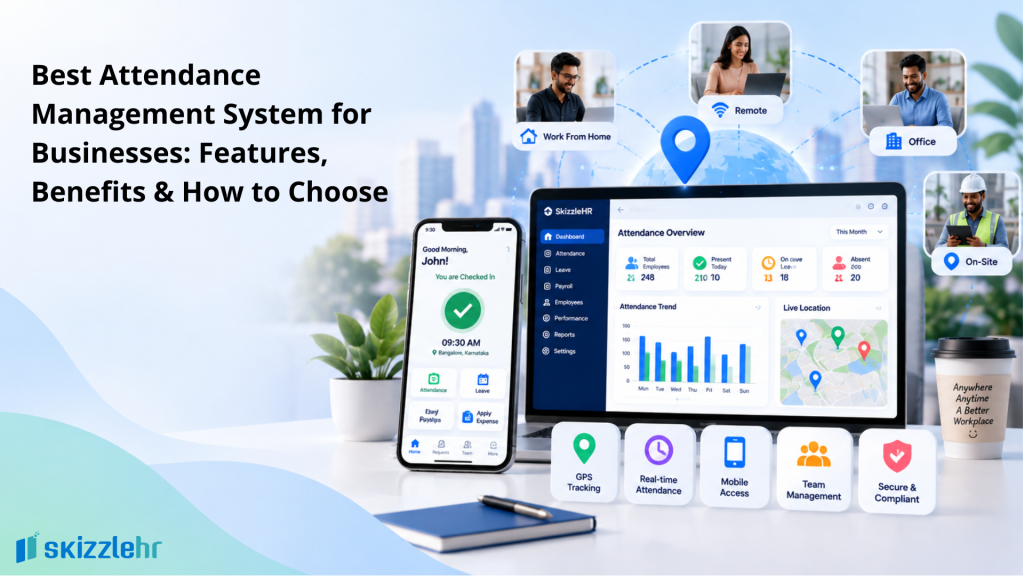
Modern organizations are increasingly adopting Leave Management Software to automate casual leave administration and eliminate manual processes. Integrated with an AI-Powered HRMS Platform, a leave management system enables employees to apply for leave online, managers to approve requests instantly, and HR teams to track leave balances in real time. By digitizing leave management, businesses can improve workforce planning, reduce payroll discrepancies, and create a seamless leave experience for employees while ensuring business continuity.
In this this comprehensive guide explores the ins and outs of casual leave, from its purpose and policies to best practices for managing it effectively.
What is Casual Leave?
Casual leave is a type of short-term leave that employees can avail of for personal reasons such as emergencies, personal obligations, or unplanned events. Unlike sick leave, which is reserved for medical issues, or annual leave, which is pre-planned, casual leave is used for sudden, non-recurring requirements.
Key Objective: To provide employees with a quick and easy way to handle personal matters while maintaining workplace productivity.
Features of Casual Leave
- Short-Term Use: Casual leave is generally granted for 1-3 days at a time.
- Limited Days: Most organizations allocate a set number of casual leave days annually, typically between 6-12 days.
- Non-Transferable: In most cases, unused casual leave does not carry forward to the next year.
- Flexibility: It can often be combined with public holidays or weekends to extend breaks.
- Approval Process: While prior approval is usually required, exceptions are made for emergencies.
Why Casual Leave Matters
- Encourages Work-Life Balance: It allows employees to manage personal priorities without stress.
- Boosts Productivity: Employees who can address personal matters promptly tend to stay more focused at work.
- Fosters Trust: Transparent and flexible leave policies show that employers value their workforce.
Common Policies Surrounding Casual Leave
- Eligibility: Many companies require employees to complete a probationary period before becoming eligible for casual leave.
- Application Process: Employees are encouraged to inform their managers or HR in advance, barring emergencies.
- Documentation: Some organizations may ask for supporting documents, such as medical notes or proof of appointments, for validation.
- Holiday Bridging: Casual leave is often used to bridge gaps between public holidays and weekends.
Common Reasons Behind Taking a Casual Leave
Employees may need casual leave for unplanned situations or events that demand immediate attention. Below are some examples:
| Reasons | Examples |
| Personal errands or work | Family emergencies, visiting a bank, or renewing government-issued IDs. |
| School or educational events | Children’s convocation, admission, parent-teacher meetings, etc. |
| Medical appointments | Specialist consultations, dental visits, or routine health checkups. |
| Financial or legal obligations | Legal consultations, court hearings, or tax-related appointments. |
| Celebrating special occasions | Birthdays, anniversaries, or engagements celebrated on the actual day. |
his structured approach helps employers and HR teams understand the primary use cases of casual leave, enabling better planning and support for employees.
Best Practices for Managing Casual Leave Effectively
An effective casual leave policy should strike a balance between employee well-being and business continuity. Organizations should establish clear guidelines regarding eligibility, approval workflows, notice periods, leave limits, and documentation requirements to avoid confusion and ensure fair implementation. Transparent policies also help managers plan workloads efficiently while minimizing disruptions caused by unexpected absences.
Businesses can further improve leave management by adopting digital HR solutions that automate leave requests, maintain centralized leave records, and provide real-time visibility into employee availability. Managers can quickly review team calendars before approving leave, while employees can monitor their leave balances without contacting HR. Automated notifications, policy-based approvals, and integration with attendance and payroll systems further simplify the entire leave management process. As organizations continue embracing hybrid and flexible work models, having a structured and technology-driven casual leave process becomes essential for maintaining productivity and employee satisfaction.
Why Digital Leave Management Improves Employee Experience
Employee experience is significantly influenced by how easily they can access HR services, including leave management. Waiting for manual approvals, maintaining paper forms, or manually checking leave balances often creates unnecessary delays and frustration. A digital leave management system simplifies these processes by giving employees instant access to leave information through web and mobile platforms.
Modern Leave Management Systems also provide HR teams with valuable workforce insights by tracking leave trends, absenteeism patterns, and employee availability. These insights help organizations improve workforce planning, optimize staffing, and make informed operational decisions. By integrating leave management with attendance, payroll, and employee self-service, businesses can create a connected HR ecosystem that enhances efficiency while supporting employee well-being and work-life balance.
How SkizzleHR Makes Leave Management Effortless
Managing casual leave can be challenging without the right tools. SkizzleHR simplifies this process, ensuring both employees and HR teams benefit from an efficient system:
- Ease of Access: Employees can apply for leave directly through the app or platform.
- Real-Time Updates: Leave balances are updated in real time, giving employees complete transparency.
- Automated Compliance: SkizzleHR ensures leave policies align with local labor laws.
- Comprehensive Insights: HR teams can generate detailed reports to track trends and optimize policies.
Conclusion
Casual leave is an essential part of an employee’s leave benefits, offering flexibility to manage life’s unexpected demands. By fostering an environment that prioritizes employee needs and integrating advanced tools like SkizzleHR, organizations can ensure smooth operations and enhanced employee satisfaction.