
The modern workforce is rapidly evolving, and flexible work schedules are becoming the norm. Whether through remote work, hybrid models, compressed workweeks, or flexitime, businesses are adapting to accommodate employees’ needs while maintaining productivity. However, managing attendance effectively in this dynamic environment remains a significant challenge for HR professionals.
The modern workplace has evolved significantly, with organizations adopting hybrid work models, remote teams, flexible shifts, and compressed workweeks to meet changing business and employee expectations. While these flexible work arrangements improve employee satisfaction and productivity, they also introduce new challenges in tracking attendance, managing shifts, monitoring working hours, and ensuring payroll accuracy. Traditional attendance methods are no longer sufficient for businesses managing a dynamic workforce.
A modern Attendance Management Solution enables organizations to manage flexible work schedules through intelligent automation, real-time tracking, and centralized workforce management. Integrated with HRMS software, attendance management systems help HR teams accurately record employee working hours, manage shift rotations, calculate overtime, and maintain complete visibility across distributed teams. This ensures businesses can support workplace flexibility without compromising productivity, compliance, or operational efficiency.

HR teams can strategically use attendance management solutions to ensure accountability, prevent time theft, and maintain compliance. This blog explores how HR can successfully manage attendance in a flexible work environment, focusing on technology-driven solutions, policy implementation, and best practices.
The Importance of Attendance Management Solutions in Flexible Work Models
Flexible work arrangements offer numerous benefits, including improved employee satisfaction, increased productivity, and better work-life balance. However, poor time attendance system software can lead to issues such as:
- Payroll discrepancies – Mismanagement can lead to incorrect salary payments, causing dissatisfaction among employees.
- Compliance risks – Companies must adhere to labor laws and regulations regarding work hours, overtime, and break periods, with penalties for non-compliance.
- Decreased accountability – Without proper tracking, it can be difficult to ensure employees are working their designated hours and maintaining their responsibilities.
- Productivity concerns – HR must ensure that work output remains consistent regardless of scheduling flexibility, avoiding dips in efficiency.
- Difficulty in workforce planning – Unstructured attendance tracking can create gaps in workforce allocation, leading to under or overstaffing in certain business areas.
To address these challenges, organizations must implement structured attendance management strategies that balance flexibility with oversight.
Building a Flexible Workforce with Smart Attendance Management
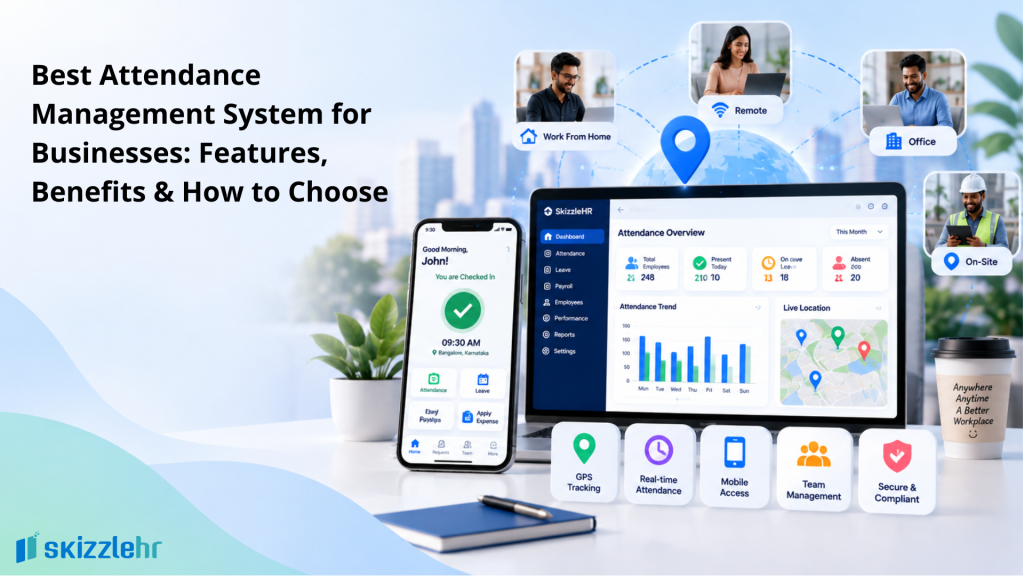
Creating a successful flexible work culture requires more than simply allowing employees to choose where or when they work. Organizations need technology that supports workforce planning, employee accountability, and seamless collaboration across different work models. Attendance management software provides HR teams with the tools needed to manage diverse schedules while ensuring transparency and consistency throughout the organization.
Some important capabilities that support flexible workforce management include:
- Configurable work schedules for different departments.
- Shift planning and automated roster management.
- Mobile attendance with GPS and geo-fencing.
- Attendance tracking for hybrid and remote employees.
- Overtime and compensatory off management.
- Real-time attendance dashboards.
- Integration with payroll and leave management.
- Automated notifications and approval workflows.
- Employee self-service for attendance regularization.
- Workforce analytics for better resource planning.
These features help organizations create a balanced work environment that benefits both employees and business operations.
Why Flexible Work Requires Digital HR Technology
Flexible work policies are successful only when supported by reliable digital HR infrastructure. HR managers need complete visibility into employee attendance, productivity, leave, and shift schedules without relying on manual tracking methods. Cloud-based HRMS platforms simplify workforce coordination by centralizing attendance records and providing real-time updates across departments and locations.
Digital attendance management also enhances employee experience by giving employees the flexibility to clock in through approved methods, check attendance records, apply for attendance corrections, and receive timely notifications. Managers benefit from automated approvals, accurate workforce reports, and data-driven insights that improve planning and operational efficiency. As organizations continue embracing flexible work models, investing in modern attendance management technology becomes essential for maintaining productivity while supporting employee well-being and work-life balance.
Best Practices for Managing Attendance in Flexible Work Schedules
1. Implement an Automated Time-Tracking System
Traditional punch-in and punch-out systems are no longer sufficient for modern workplaces. Investing in an automated attendance management system helps HR teams:
- Accurately log work hours, including remote and hybrid employees.
- Track overtime and break schedules efficiently.
- Generate real-time attendance reports for compliance and payroll processing.
- Provide seamless integration with HR software for leave and shift management.
A cloud-based time attendance system software enables seamless attendance tracking while integrating with payroll and leave management, ensuring precise timekeeping for both in-office and remote workers.
2. Set Clear Attendance Policies and Expectations
A flexible work schedule doesn’t mean a lack of structure. HR should establish clear policies that define:
- Core working hours (if applicable) to ensure availability for meetings and collaboration.
- Expected response times and availability to prevent workflow disruptions.
- Guidelines for reporting attendance and absences, ensuring consistency.
- The process for handling late logins, early logouts, or unauthorized overtime.
- Consequences of attendance violations, including warnings and disciplinary actions.
- Clear and documented attendance policies ensure fairness and prevent misunderstandings between employees and management.
3. Use Biometric and Geolocation Tracking

For hybrid and on-the-go employees, biometric verification and geolocation-based attendance tracking provide reliable data. Features like:
- Facial recognition or fingerprint scanning for secure authentication.
- GPS-based check-ins for field workers or remote employees.
- Geo-fencing technology to allow check-ins only from designated work locations.
These advanced tracking methods prevent buddy punching, fraudulent check-ins, and unauthorized absences while ensuring employees maintain their work schedules.
4. Encourage Self-Service Attendance Management
Empowering employees with self-service tools allows them to:
- Log work hours, breaks, and remote attendance easily.
- Request leave or time off seamlessly without manual approvals.
- View attendance records in real time, fostering transparency.
- Track overtime hours to ensure compliance with company policies.
This not only reduces HR’s administrative burden but also fosters a culture of responsibility and autonomy among employees.
5. Integrate AI-Powered Analytics
AI-powered attendance insights can help HR teams analyze work patterns, identify trends, and address attendance issues before they impact operations. These insights can provide valuable data on:
- Frequent late logins or early checkouts.
- Overtime trends and potential burnout risks.
- Departmental attendance performance and workforce engagement.
- Forecasting absenteeism rates and planning shifts accordingly.
Advanced AI-driven insights help HR teams make data-backed decisions, improving workforce efficiency and planning.
6. Offer Flexible Work Arrangements with Defined Limits
While flexibility boosts engagement, it should come with defined parameters. HR can implement strategies such as:
- Core hours model: Employees work a set number of hours within a broader time frame, ensuring collaboration windows.
- Output-based tracking: Focusing on task completion rather than fixed hours, allowing employees to manage their own schedules.
- Shift scheduling software: Allowing employees to swap shifts while maintaining operational efficiency, preventing last-minute workforce gaps.
- Time banking system: Employees accumulate hours for extra work and utilize them for future flexibility, ensuring work-life balance.
Defining these structures prevents abuse of flexible schedules while keeping productivity levels consistent.
7. Conduct Regular Attendance Audits
Periodic audits ensure that attendance data remains accurate and free from manipulation. HR should:
- Review attendance records for anomalies, such as excessive overtime or frequent absences.
- Cross-check logs with productivity reports to ensure hours worked align with output.
- Take corrective actions if inconsistencies are found, maintaining fairness.
- Verify compliance with labor laws and company policies, preventing legal issues.
Regular audits help maintain credibility in attendance tracking and enhance workplace discipline.
Conclusion
Managing attendance in a flexible work environment requires a balance between trust and structure. By leveraging technology, setting clear policies, and using data-driven insights, HR can efficiently monitor attendance without compromising employee autonomy. With advanced attendance management solutions by SkizzleHR, businesses can streamline attendance tracking, reduce manual errors, and create a more productive work culture. Features like automated tracking, AI-powered insights, and self-service attendance empower HR teams to manage flexible schedules effectively.

Investing in smart attendance management today ensures seamless operations, compliance, and a satisfied workforce in the long run.
Are you looking for an efficient way to manage attendance for flexible work schedules?
Flexible work schedules have become an integral part of the modern workplace, making attendance management more important than ever. Businesses need intelligent attendance solutions that can adapt to changing workforce requirements while ensuring accuracy, transparency, and compliance. By automating attendance tracking and integrating it with payroll, leave management, and workforce planning, organizations can successfully balance employee flexibility with business performance.
SkizzleHR’s Attendance Management System helps organizations manage flexible work environments through intelligent automation, cloud-based accessibility, mobile attendance, shift management, payroll integration, and workforce analytics. As an AI-Powered HRMS Platform, SkizzleHR empowers HR teams to streamline attendance processes, improve workforce visibility, and enhance employee experience across office, hybrid, and remote work environments. By embracing digital attendance management, businesses can build a more agile, productive, and future-ready workforce while supporting long-term organizational success.